2026-02-19
Social media use and its influence on sleep
By passion for beds editorial team
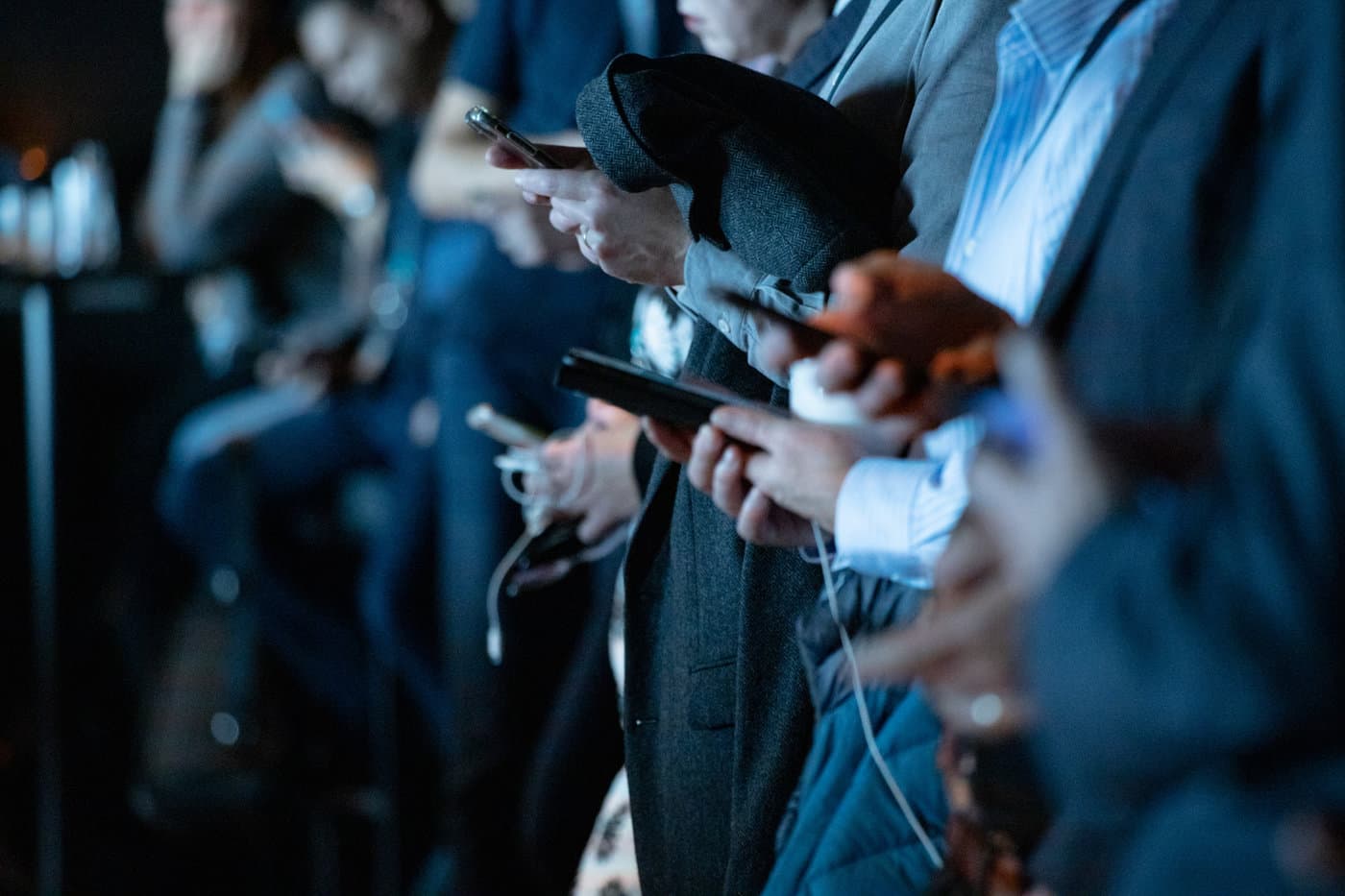
We all know it: just a quick scroll through the feed, just one more video. And suddenly the clock shows 1:00, the eyes burn, and the alarm rings in six hours. Social media and sleep have a complicated relationship.
The problem is twofold
The problem is twofold. First, the light: blue display light signals daytime to the brain and throttles melatonin production, the body stays in day mode although it has long been tired.
Second, the content: feeds are built not to let us go. Every video, every story promises a small dopamine kick, the brain stays in anticipation instead of relaxation. Research calls it “revenge bedtime procrastination”: stealing back at night the free time we lacked during the day, from our sleep.
What helps?
What helps? Radically honest: ban the phone from the bedroom, a classic alarm clock costs twenty francs and saves hours of sleep. If that's a step too far, set a screen curfew from 10 pm, switch on night mode and put the device out of reach: having to get up is the best scroll brake.
And as a replacement ritual?
And as a replacement ritual? A book, a podcast, a few diary pages. Sounds old-fashioned, but sleeps excellently.
Keep exploring