Guide
Which bed is right for me?
Six things that actually matter when you buy a bed meant to last you ten years and more. Without sales arguments, exactly as we explain it in the showroom.
1
Start with how you sleep
Side, back or front sleeper decides more than any product description. Side sleepers need room for shoulder and hip, back sleepers even support, front sleepers a firmer surface so the pelvis does not sink.
2
Forget the firmness chart
H1 to H5 is not a standard; every maker sets it themselves. The same number feels completely different across two brands. Trust what your back tells you, not the label.
3
Look at the construction, not the spring count
The number of springs is a marketing figure. Wire gauge, the number of spring layers and what lies above them matter more. Two spring layers with natural filling beat a high count in a single layer.
4
Count in nights, not in francs
A bed at 8000 francs that lasts fifteen years costs about 1.50 per night. A bed at 2000 francs that sags after five costs more than a franc a night, and costs you sleep on top.
5
Try it properly
Ten to fifteen minutes per bed, in your real sleeping position, with a suitable pillow. Take your shoes off and relax. Compare no more than three models in a day.
6
Test as a couple if you sleep as a couple
Different weights often need different tensions. With separate mattresses in one frame each of you can have what you need. Come together; it saves a wrong decision.
How a visit with us works
We ask first
How you sleep, what bothers you, what you had before. Only then do we show you beds.
You take your time
Ten to fifteen minutes per bed, for as long as you like. Nobody stands next to you waiting.
You decide later
No need to close on the day. A bed of this class is not bought under pressure.
What to look for in the build
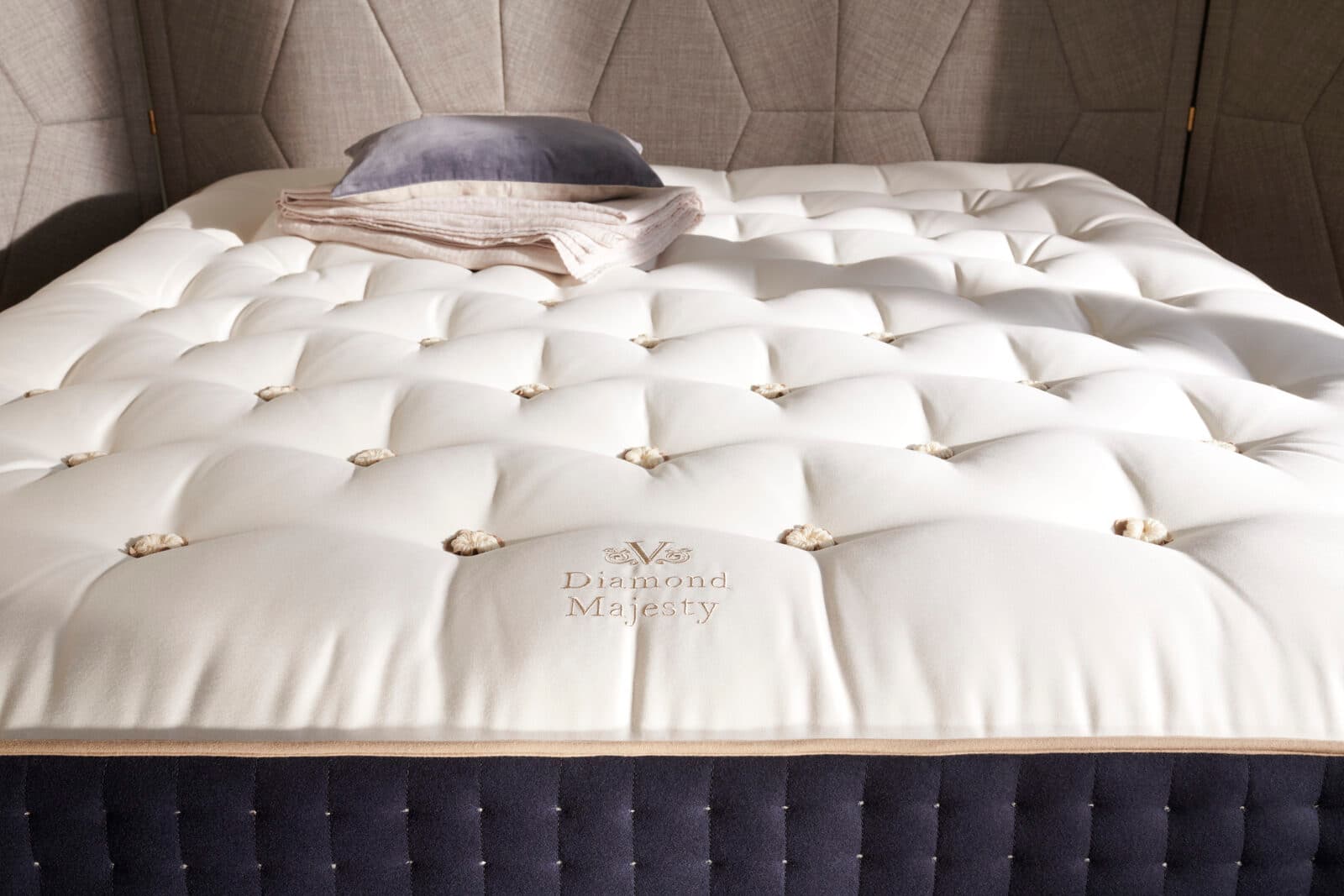
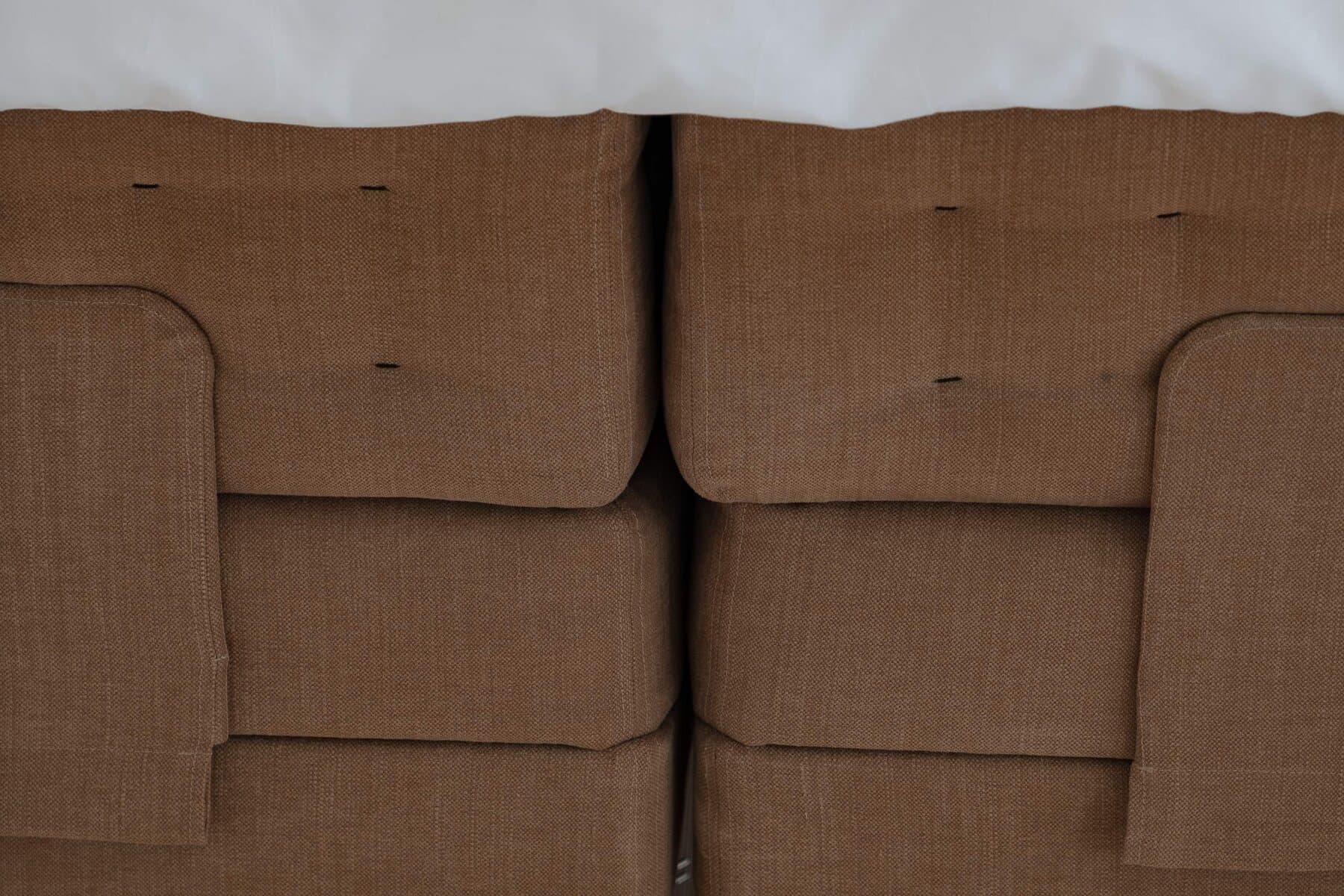
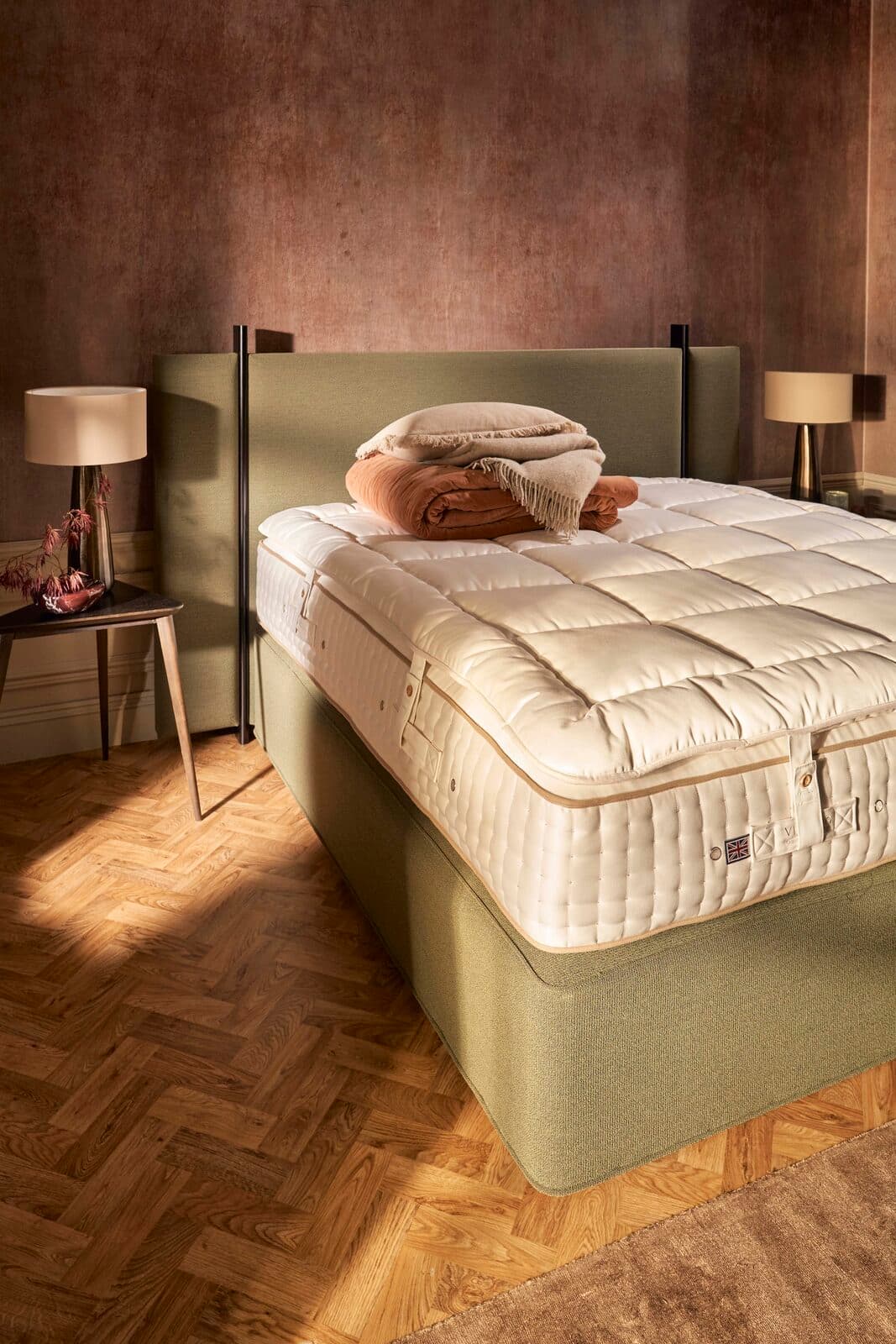
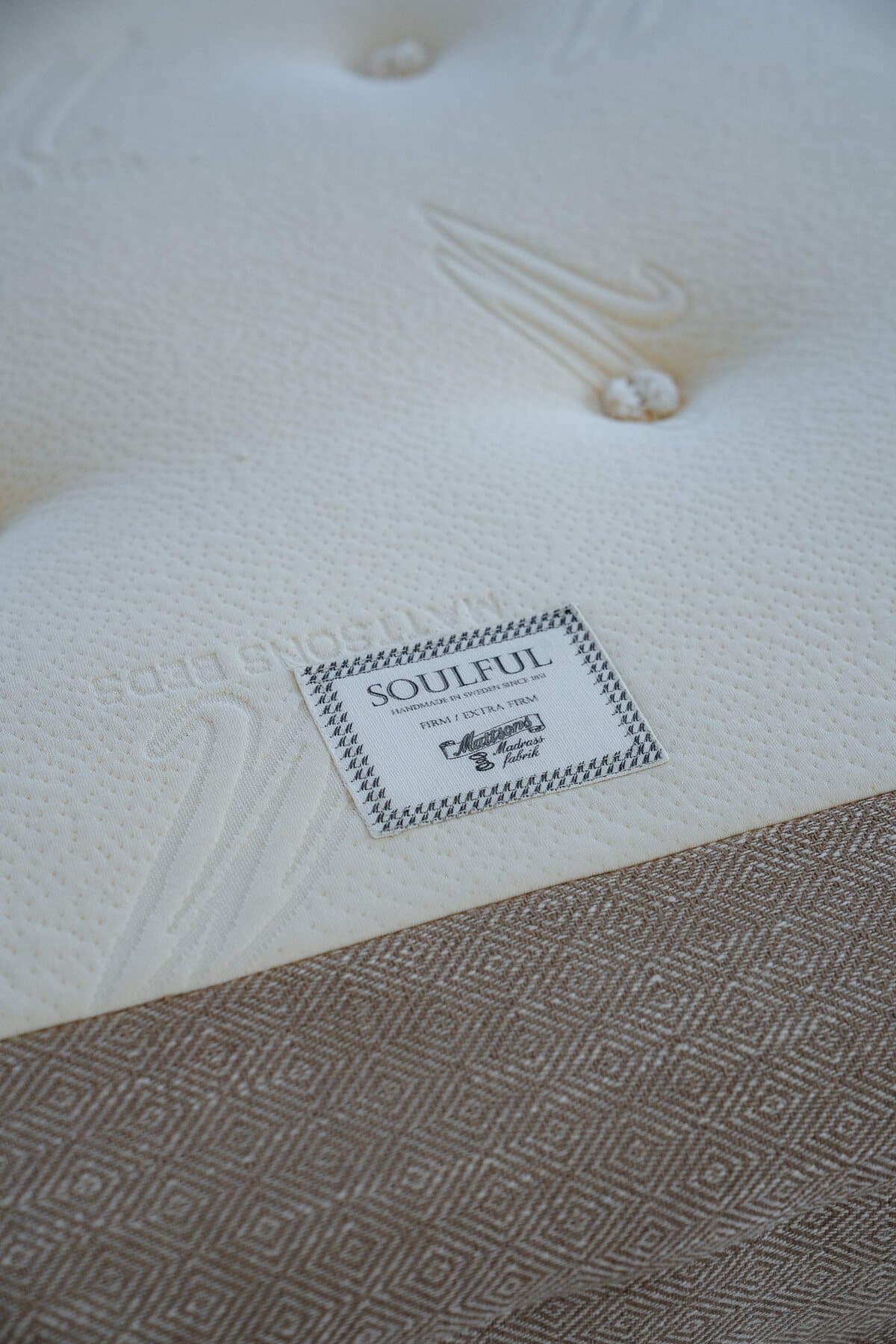
Once you know what a bed is made of, you can spot quality in two minutes.
Frequently asked
How much does a good bed cost?
A handmade bed with natural filling starts in the four figures and goes well beyond that depending on model, size and specification. Divide the price by the years you will use it: a bed that lasts fifteen years costs less per night than a cheap one that sags after five.
Why are good beds so expensive?
Because the work is what you pay for, not the material alone. Hand-nested pocket springs, filling worked in layer by layer and a hand-stitched border cannot be automated. Add raw materials such as horsehair and cashmere, which are scarce and demanding to process.
Which tension is the right one?
There is no standard for it; every maker measures differently. As a guide: side sleepers usually need a softer tune so shoulder and hip can sink in, back sleepers a medium one and front sleepers a firmer one. What matters is that the spine stays straight, and that is best judged lying down.
How long should you try a bed for?
At least ten to fifteen minutes per bed, in your normal sleeping position, with the pillow you would use at home. Two minutes tells you nothing. Take your time and compare no more than three models, or the impressions blur together.
How often should a bed be replaced?
A handmade mattress with natural filling far less often than foam. Turn and rotate it regularly, use a mattress protector, and it holds its shape for many years. Replace it when you wake up stiff or see clear hollows.
Come and try them
All of this can be read. It can only be decided lying down. Book an appointment at Talstrasse 66 and the time is yours.
- Talstrasse 66, 8001 Zürich
- Mon–Fri 10:00–18:00 · Sat 10:00–16:00