Craft & materials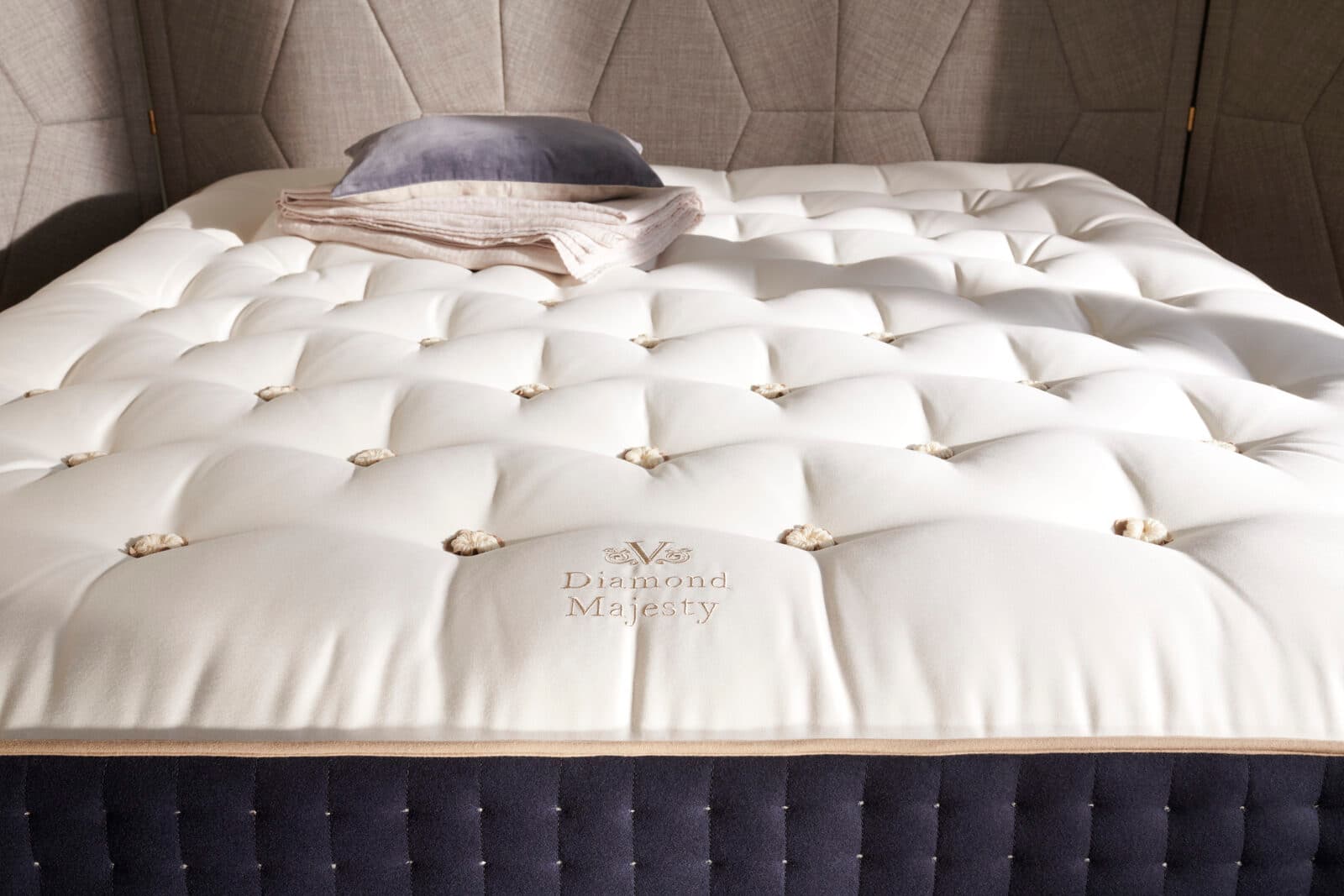
Horsehair
Horsehair in a mattress: why the oldest filling is still the best
Horsehair is the most expensive and most demanding natural filling in mattress making, and the reason a handmade mattress feels unlike anything made of foam. What it is, how it is processed, and how to recognise quality.
Point-elastic: supports where the weight is
Absorbs moisture and releases it again
Worked in by hand, layer by layer
Keeps its shape for decades
What horsehair does in a bed
Horsehair consists of long, crimped individual hairs. Each hair is springy and returns to shape, and a whole bundle of them works like thousands of tiny springs. That is why a horsehair mattress feels point-elastic: it yields exactly where the weight is and keeps supporting everywhere else.
Then there is the structure: air stays between the hairs. Moisture the body releases during the night is absorbed and released again instead of collecting in the material. That is precisely what a closed-cell foam cannot do.
Why it is so demanding
Horsehair has to be washed, sorted, curled and worked in by hand, layer by layer. It cannot be pressed into a mattress by machine without losing its spring. That is why it is found almost exclusively in handmade beds, and why it costs what it costs.
At Vispring the horsehair is combined with other natural fibres, among them new wool, cotton and, in the top models, cashmere. The mix determines the feel: more horsehair means more resilience, more wool means more softness.
How to recognise quality
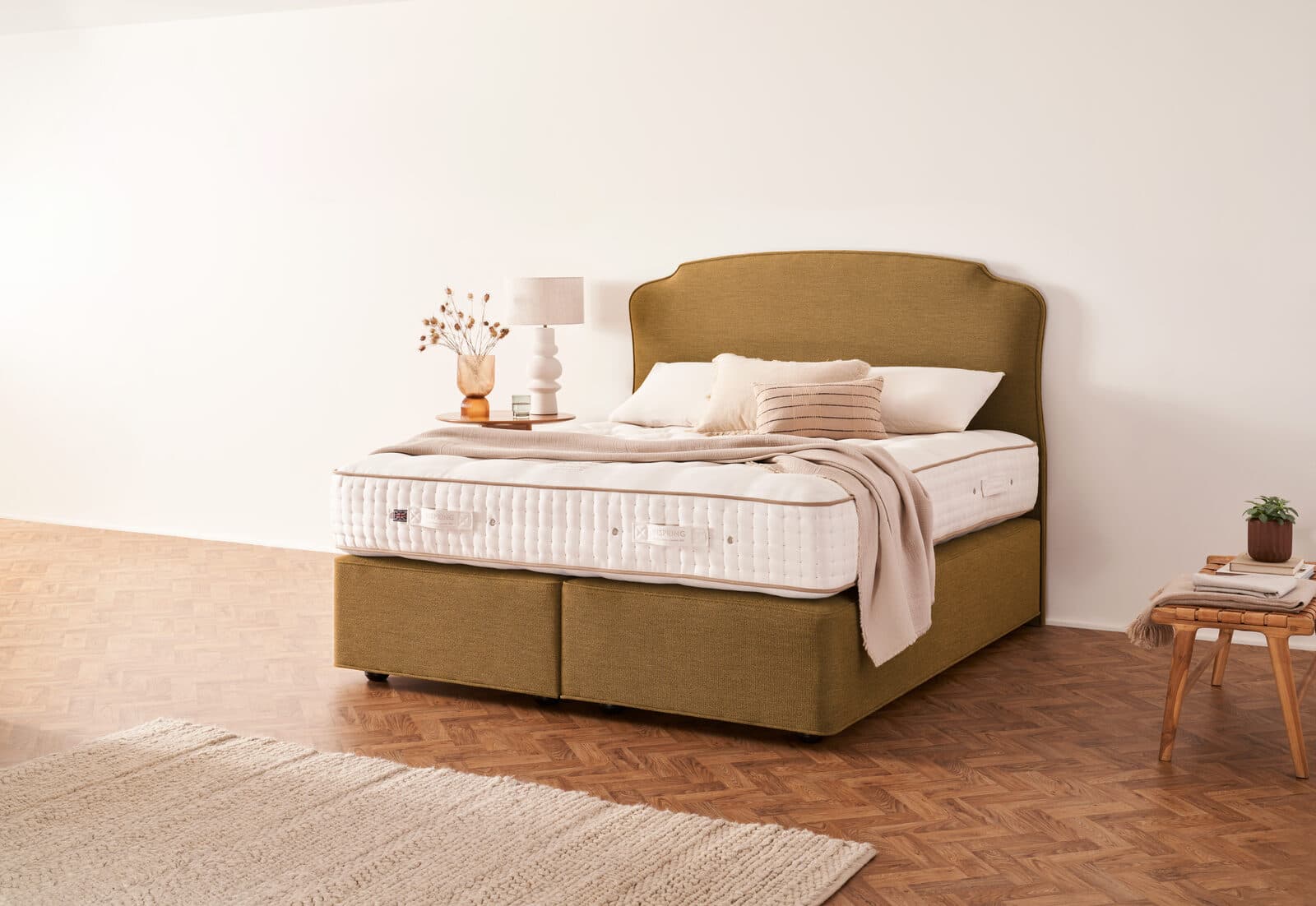
Good natural filling is not recognised by the label but by the build: are the layers worked in by hand, is the mattress side-stitched by hand, do the tufting ties sit firmly? A handmade mattress keeps its shape for decades because nothing is glued and nothing is compressed.
The most honest test is lying on them. In our showroom on Talstrasse 66 the models stand side by side, soft against firm, with and without horsehair.
What it feels like
These models are set up in the showroom so you do not read about the difference but feel it.

Frequently asked
Is a horsehair mattress suitable for allergy sufferers?
Horsehair is washed and heat-treated before processing. Because the filling regulates moisture and lets air through, the climate inside the bed stays dry. If you have a known animal-hair allergy, talk to us and we will also show you builds without horsehair.
How long does a natural-fill mattress last?
Considerably longer than a foam mattress. Because the springs sit in individual pockets and the filling is worked in by hand, there are no glued layers that can come apart. Turn and rotate the mattress regularly and the build stays even.
Why is horsehair so expensive?
The material itself is scarce and the processing cannot be automated. Washing, sorting, curling and working it in by hand take time. In return you get a bed that does not sag after five years.
Feel it yourself
Differences in material are hard to explain and immediate to feel. Come to Talstrasse 66 and compare in your own time.
- Talstrasse 66, 8001 Zürich
- +41 43 333 00 11