2026-06-12
Your period steals more than your nerves, it steals your sleep
By passion for beds editorial team
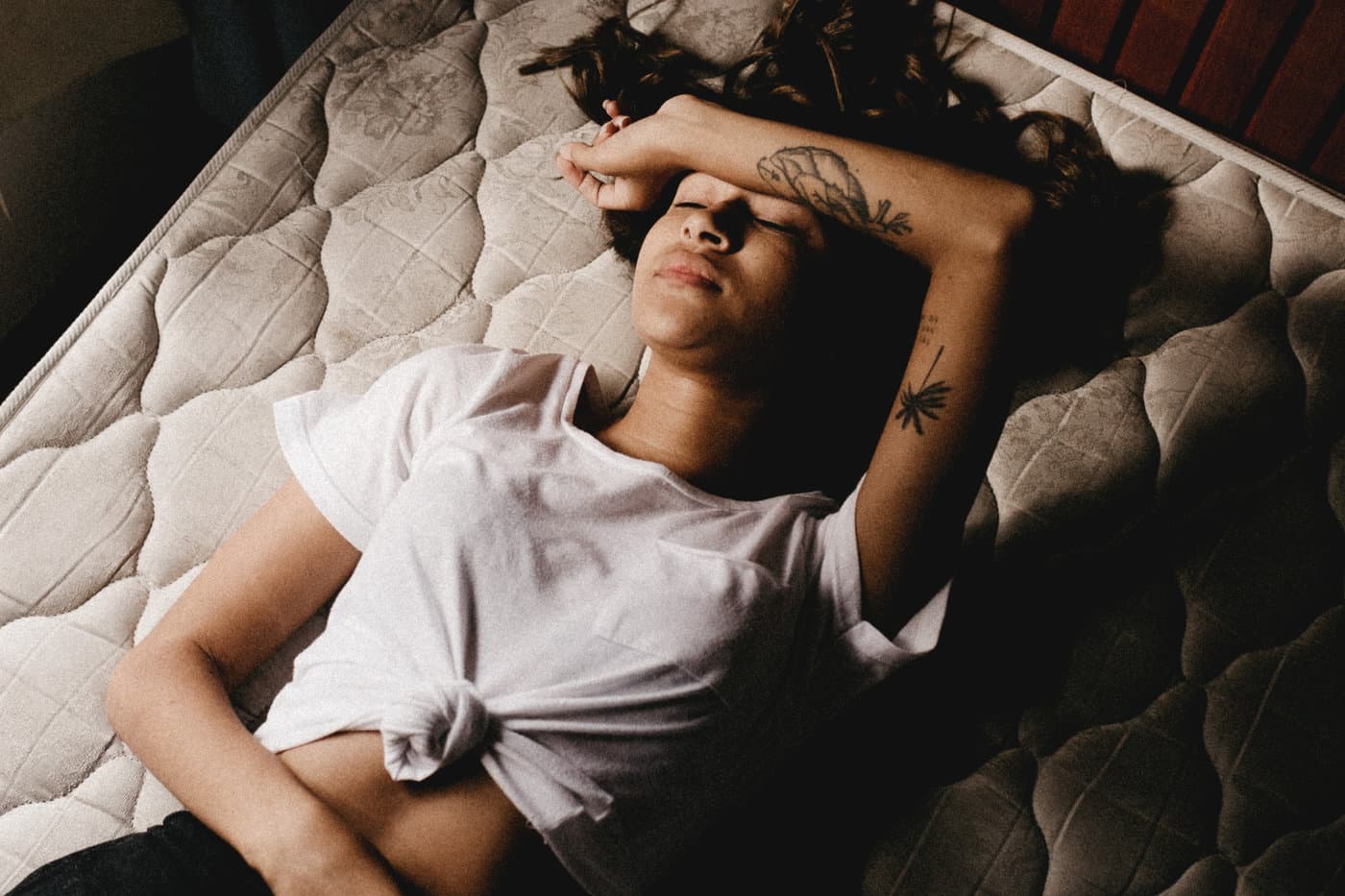
Men may skip this article, by the way. Or keep reading, if they'd like to score a few sympathy points with their partner.
Once a month it gets us: the period. And as if blemished skin, mood swings and cramps weren't enough, it also makes sleep unnecessarily difficult, right when the body urgently needs extra rest to bring its hormones back into balance.
The reasons are many: cramps and bloating are the usual suspects, but fluctuations in oestrogen and progesterone also disturb sleep. And then there's the thought every woman knows: hopefully nothing leaks tonight.
What is interesting is that sleep often gets worse before the period even starts. After ovulation, body temperature rises by around half a degree and stays raised until bleeding begins. Half a degree sounds like nothing, but that is exactly the warmth the body actually needs to lower in order to fall asleep. If you sleep worse in the week before, you are not imagining it.
Is the period heavier at night? Good news: usually not. Lying down, menstrual blood flows more slowly and partly collects in the uterus. Only when you get up does gravity kick back in, hence the feeling that the flow got heavier overnight. Completely normal.
Then there is progesterone. In the second half of the cycle it is high and has a rather calming effect; shortly before bleeding it drops steeply. That drop is one of the main reasons for restless nights, brooding at three in the morning and the feeling of not being rested despite eight hours.
Five tips for better nights: 1. Drink enough, it can reduce bloating. 2. Choose breathable bed linen in cotton or bamboo, as body temperature fluctuates more now. 3. Warmth against cramps: a heating pad or a warm shower before bed works wonders. 4. Use the right menstrual product, night products reduce the worry of leaking. 5. Wear comfortable nightwear. Now is not the time for scratchy fabrics or tight waistbands.
And the sleeping position? The foetal position on your left side is especially comfortable: bent legs relieve the abdomen, reduce cramps and support circulation. The perfect position won't make the period disappear, but a few small adjustments make the nights noticeably more pleasant.
And then there is the line where tips stop helping. Very heavy bleeding can lead to iron deficiency, and iron deficiency makes you tired regardless of how well you sleep. Pain severe enough to dictate your day belongs with a doctor rather than being endured; endometriosis goes undetected for years on average, because too many women think for too long that it simply comes with the territory.
In practice that mainly means sleeping cooler than usual. In the week before your period the bedroom can happily be a degree or two colder than normal, and a lighter duvet is not a detail now but the difference between sleeping through and kicking the covers off at two. If you own a summer and a winter duvet, use them cyclically rather than seasonally that week.
Coffee and alcohol hit harder in that week than usual. Both disturb sleep anyway, and when the night is already fragile from cramps and temperature swings, it weighs more. That is not a ban, only an observation many women confirm once they pay attention to it.
A mattress protector also takes the worry out of point four. It is washable and the mattress is not, and simply knowing nothing can happen lets many women fall asleep far more relaxed. Dark bed linen on those nights is not superstition, just practical.
Frequently asked questions
Why do you sleep worse before your period?
After ovulation body temperature rises by about half a degree and stays raised until bleeding, while the body actually needs to cool down to fall asleep. On top of that, calming progesterone drops steeply just before the period. Together they make nights restless.
Is bleeding really heavier at night?
Usually not. Lying down, blood flows away more slowly and partly collects in the uterus; standing up brings gravity back into play. Hence the feeling that it increased overnight.
Which sleeping position helps with cramps?
The foetal position on the left side. Bent legs relieve the abdomen, reduce cramps and support circulation. A pillow between the knees makes it more comfortable still.
When should I see a doctor about this?
With very heavy bleeding, which can lead to iron deficiency and lasting tiredness, and with pain that dictates your day. Endometriosis goes undetected for years on average because too many women think it simply comes with the territory. It does not.
Keep exploring