2026-08-27
Sleep hygiene: what actually helps
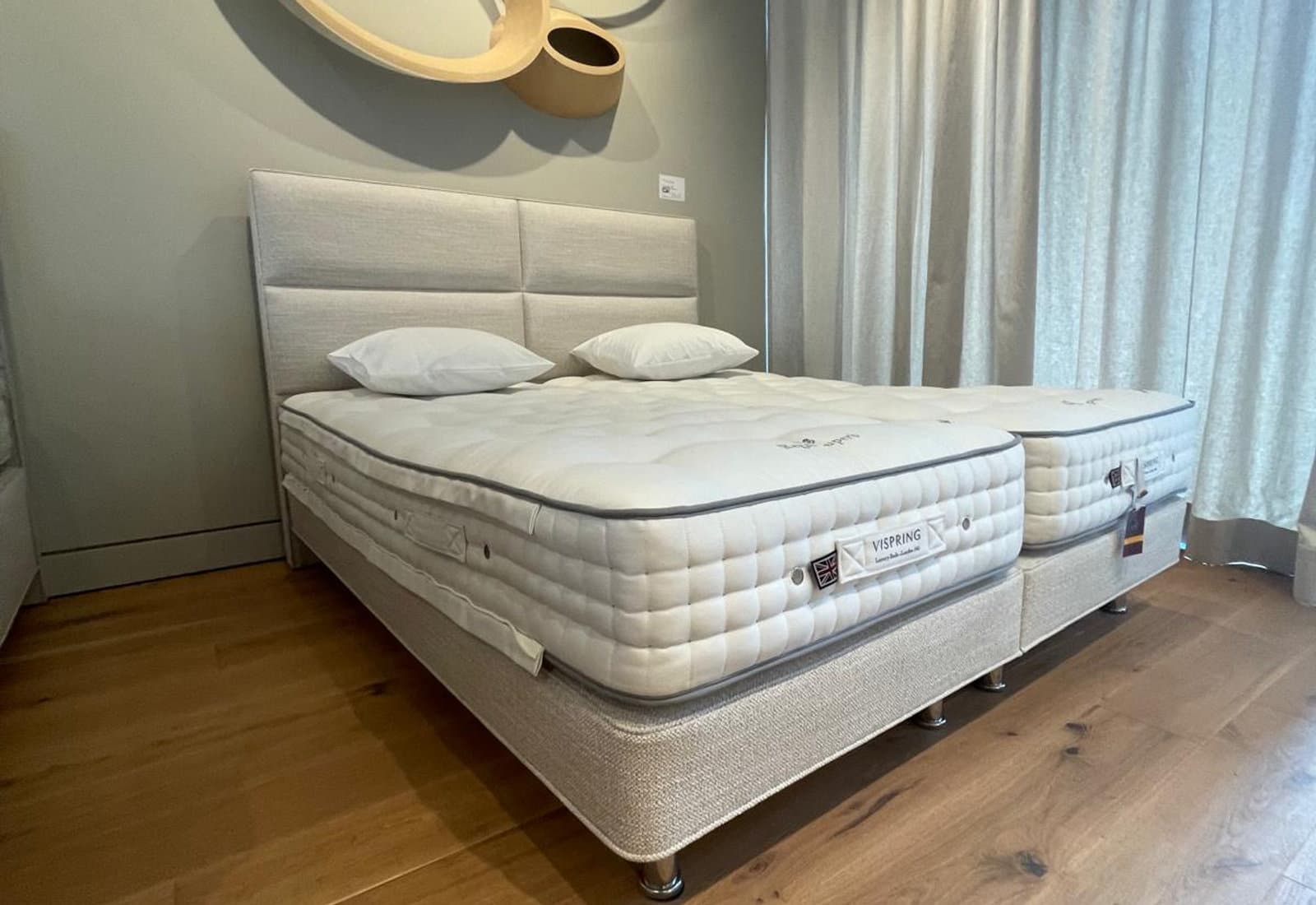
Sleep hygiene sounds like brushing your teeth for the night, and that is roughly the idea: a handful of habits that tell the body reliably when it is time to sleep. None of it feels dramatic on any single evening. Together, and over weeks, they shift how quickly you fall asleep and how rested you wake.
The term is often confused with a list of twenty tips, nineteen of which you forget again. It makes more sense to keep to the few that measurably do the most. There are essentially three: a fixed getting-up time, daylight in the morning, and a cool room. Everything else is refinement.
The fixed getting-up time is the strongest lever and the most underrated. The body does not set its internal clock by when you go to bed, but by when you see light. Get up at the same time every day, weekends included, and after two or three weeks a bedtime settles by itself. Sleep in three hours on a Sunday and you produce the same effect as flying across three time zones, every week again.
Morning light reinforces exactly that. Outdoors, even on an overcast day, illuminance runs to several thousand lux; a well-lit room manages a few hundred. Twenty minutes of daylight within the first hour of waking is therefore more effective than any lamp. In the evening the reverse applies: warm, low light, and not the ceiling fitting in the middle of the room, which tells the body it is noon.
On temperature, most bedrooms are too warm. To fall asleep, the body lowers its core temperature by about a degree, and an overheated room works against that. Sixteen to nineteen degrees is more comfortable for most people than it sounds. More important than the heating setting is often whether the room was properly aired in the evening.
Caffeine stays in the body longer than it feels. Its half-life is around five to six hours, which means half of an espresso drunk at four in the afternoon is still working at midnight. It will not necessarily stop you falling asleep, but the share of deep sleep drops. If you sleep badly and drink coffee in the afternoon, this is the easiest thing to test.
Alcohol is the most honest point on this list, because it does the opposite of what it is credited with. It shortens the time to fall asleep and then takes apart the second half of the night: less dream sleep, more waking, often around three or four. A glass of wine with dinner is a different thing from a nightcap, and the difference lies mainly in the distance to bedtime.
Eating late disturbs sleep less than its reputation suggests, but eating heavily genuinely does. The body spends the first half of the night on digestion if a large portion arrived shortly before, and that costs deep sleep. A workable rule of thumb: the main meal about three hours before bed, and only small things after that.
Screens are usually reduced to blue light, and that falls short. The light plays a part, but the content plays a larger one. A news feed or a work email at half past ten keeps you awake because the mind starts up, not because the display glows. If you use your phone in the evening, worry less about night mode and more about what you do on it.
And then there is the bed itself, which is remarkably often missing from such lists. All the habits in the world help little if the mattress does not yield at the shoulder or the pillow does not suit your sleeping position. If you wake with the same ache you fell asleep with, you do not have a habit problem. How to tell, and what matters when choosing, is set out in our guide to finding the right bed.
Movement improves sleep more reliably than almost any home remedy, with one caveat about timing. Intense training late in the evening raises pulse and core temperature exactly when both should be falling. If you train in the evening, leave about two hours before sleep; a walk after dinner, by contrast, is fine at any hour.
If you have not fallen asleep after about twenty minutes, get up. That sounds wrong and is the single most effective piece of advice in sleep medicine: lying awake and annoyed teaches the brain that the bed is a place for lying awake. Go to another room, keep the light low, read something calm, and go back when you feel sleepy.
The afternoon nap has a worse reputation than it deserves. Twenty minutes in the early afternoon does not harm night sleep and noticeably helps many people. It becomes a problem at an hour or more, and with anything after around three in the afternoon: that is when it drains the sleep pressure you need in the evening.
Finally, the point a bed specialist ought to say out loud: not every sleep problem is a habit problem. Trouble falling or staying asleep that persists for weeks, loud snoring with pauses in breathing, or leaden tiredness despite enough hours in bed all belong with a doctor. Sleep hygiene is the foundation, not a substitute for a diagnosis.
It also helps to keep the bed for sleeping. Working, watching and phoning there teaches the brain that this place is associated with being awake. And a sequence that is the same every evening works better than it sounds: same order, same time, a few quiet minutes without a screen. The body responds to repetition, not to good intentions.
Frequently asked questions
What does sleep hygiene include?
Fixed times for getting up and going to bed, daylight in the morning, a cool dark bedroom, caffeine only until early afternoon, little alcohol in the evening, and a bed that suits your body. The first three do the most.
How long does sleep hygiene take to pay off?
Reckon on two to three weeks, not two to three nights. The body clock shifts slowly, and single good nights say little. What matters is keeping the getting-up time constant through that period.
How cool should the bedroom be?
Sixteen to nineteen degrees suits most people. The body lowers its core temperature to fall asleep, and a room that is too warm works against it. Airing the room properly in the evening often matters more than the heating.
When is it no longer about sleep hygiene?
When symptoms persist for weeks, when you snore loudly and pauses in breathing are noticed, or when you are exhausted despite enough hours in bed. That belongs with a doctor. If instead you wake with shoulder or back pain that fades during the day, the bed is the more likely subject.